
glass toughening
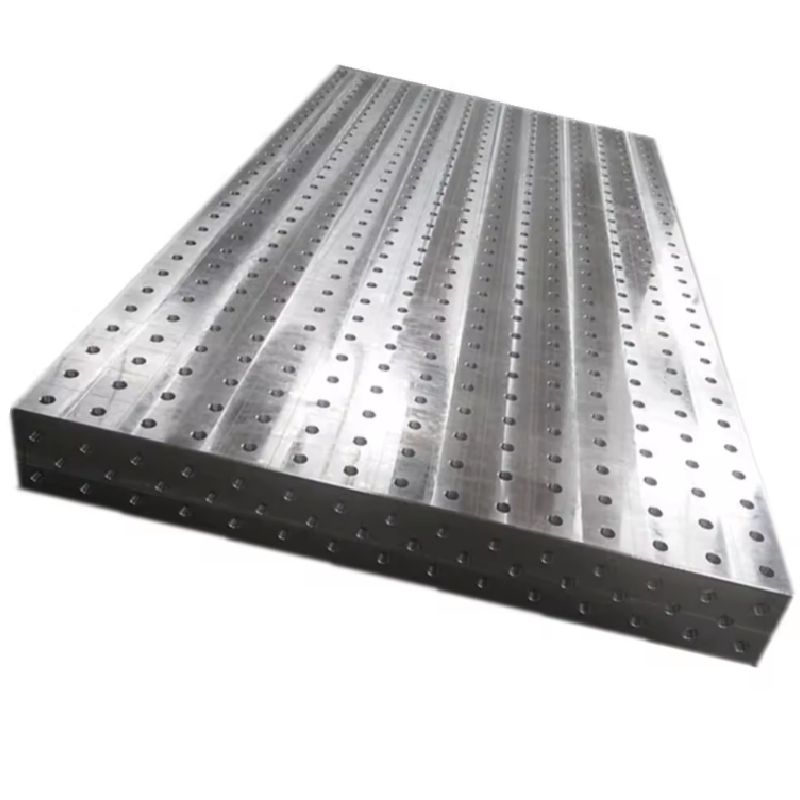
The Importance of Welding and Fabrication in Modern Industry Welding and fabrication are integral processes in modern manufacturing and construction, playing a critical role in various industries such as automotive, aerospace, construction, and shipbuilding. The art and science of welding involve joining materials together, typically metals or thermoplastics, through the application of heat, pressure, or both. The fabrication process entails shaping and assembling materials into final products or structures, making it essential for creating everything from intricate components to large-scale frameworks. The Welding Process Welding techniques have evolved significantly over the years, giving rise to a variety of methods suited for different applications. Common types of welding include MIG (Metal Inert Gas), TIG (Tungsten Inert Gas), and Stick welding. Each method has its distinct advantages, making them suitable for specific materials and operational environments. 1. MIG Welding is known for its speed and versatility. It utilizes a continuous wire feed and an inert gas shield to protect the molten weld pool from contamination, making it ideal for high-production environments. 2. TIG Welding is highly precise and produces clean welds, particularly on thin materials. It requires a skilled welder, as it involves manually feeding a filler rod into the weld pool, allowing for greater control and finesse. 3. Stick Welding, also known as Shielded Metal Arc Welding (SMAW), is one of the oldest welding methods. It is robust and effective for outdoor use and works well on rusty and dirty surfaces, making it a staple for repair and maintenance work. These methods lay the foundation for the fabrication process, where various parts are cut, shaped, and assembled to create finished products. This extensive process involves multiple stages, including cutting, forming, machining, and assembling the components. The Fabrication Process Fabrication can be viewed as the bridge connecting raw materials to finished products. It encompasses several steps welding fab table - Cutting Materials are cut to size using techniques like plasma cutting, laser cutting, or waterjet cutting. Each technique offers unique benefits, such as precision or the ability to cut complex shapes. - Forming This stage involves bending or molding materials into specific shapes. Techniques such as stamping, rolling, and forging are commonly used to achieve the desired form. - Machining This process refines the shape and dimensions of a component, ensuring precise tolerances. It often involves milling, turning, or grinding techniques, which enhance accuracy and finish. - Assembly Finally, the fabricated components are assembled into the final product. This may involve additional welding or fastening techniques to ensure structural integrity. Applications and Impact on Industry The applications of welding and fabrication are vast. In construction, for instance, steel frameworks for skyscrapers rely heavily on robust welding techniques to ensure safety and durability. In the automotive industry, precise welding and fabrication methods yield vehicles that are not only aesthetically pleasing but also safe and reliable. Moreover, advancements in technology, such as automation and robotics, have further increased the efficiency and precision of welding and fabrication processes. These innovations enable manufacturers to meet the growing demands for high-quality products while maintaining competitive pricing. Conclusion In conclusion, welding and fabrication are foundational skills and processes that drive the modern industrial landscape. They not only connect separate parts into a cohesive whole but also ensure that created products meet safety and performance standards. As industries continue to evolve, embracing innovations in welding and fabrication will be key to sustaining growth and enhancing production capabilities. Understanding these processes is essential for anyone looking to enter the manufacturing or construction field, as they represent both an art form and a critical industrial practice.
about
glass toughening
The Enchanting Charm of a 10 Inch Butterfly In the vibrant tapestry of nature, one creature stands out with ethereal grace and delicate beauty - the 10 inch butterfly. A marvel of the insect kingdom, this particular species captivates onlookers with its striking dimensions and vibrant hues. With wingspan measuring approximately ten to twenty inches, it is a spectacle that transcends the ordinary, embodying a harmonious blend of elegance and grandeur. The 10 inch butterfly, often referred to as a 'giant' in the lepidopteran world, is not just a mere observer of the natural landscape; it is a living canvas, painted with the finest brushstrokes of Mother Nature. Its wings, a mesmerizing sight, display an intricate pattern of colors that seem to shift and shimmer with every flutter. These hues range from deep, lustrous blues to fiery oranges and vibrant yellows, creating a visual symphony that dances in the sunlight. These majestic creatures are more than just a feast for the eyes. They play a crucial role in our ecosystems as pollinators, helping to sustain plant life and maintain biodiversity. As they flit from flower to flower, they inadvertently transfer pollen, ensuring the propagation of various plant species. Their presence is a testament to the delicate balance of life, reminding us of the interconnectedness of all living beings. Moreover, the 10 inch butterfly's life cycle is a lesson in resilience and transformation. Emerging from a humble caterpillar, it undergoes a metamorphosis, encapsulated within a chrysalis Emerging from a humble caterpillar, it undergoes a metamorphosis, encapsulated within a chrysalis Emerging from a humble caterpillar, it undergoes a metamorphosis, encapsulated within a chrysalis Emerging from a humble caterpillar, it undergoes a metamorphosis, encapsulated within a chrysalis 10 inch butterfly . Within this protective sheath, a complete transformation takes place, culminating in the emergence of a stunning butterfly. This remarkable journey symbolizes growth, change, and the triumph of beauty over adversity. However, these magnificent creatures face numerous challenges in the form of habitat loss, climate change, and pollution. It is our responsibility to protect and preserve their habitats, understanding that their survival is intertwined with the health of our planet. Conservation efforts such as planting nectar-rich flowers and maintaining butterfly gardens can significantly contribute to their welfare. In conclusion, the 10 inch butterfly, with its awe-inspiring size and mesmerizing colors, is a symbol of nature's splendor and resilience. It serves as a gentle reminder of the intricate beauty that exists in our world and the importance of conservation. Each flutter of its wings tells a story, a narrative of life, change, and the delicate balance that sustains our planet. Let us cherish and protect these winged wonders, for they are not just a part of our environment but an embodiment of the magic that lies within it.
-

High quality industrial productsagement

High quality industrial products
View Details -

Meet the diverse needs of customers

Meet the diverse needs of customers
View Details -

Strict quality control

Strict quality control
View Details -

Top raw materials

Top raw materials
View Details -

Trusted supplier

Trusted supplier
View Details
Our application

news and information
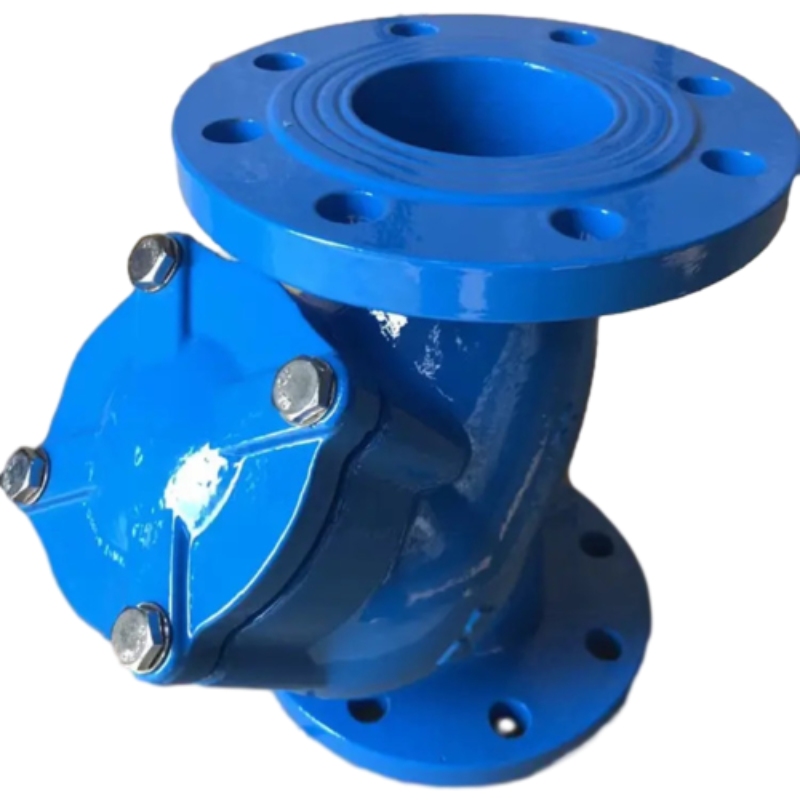
Versatile 3x6 Fabrication Table Designed for Welding Projects and Metalworking Applications
The Versatility and Importance of a 3x6 Welding Table Welding is a critical skill in various industr
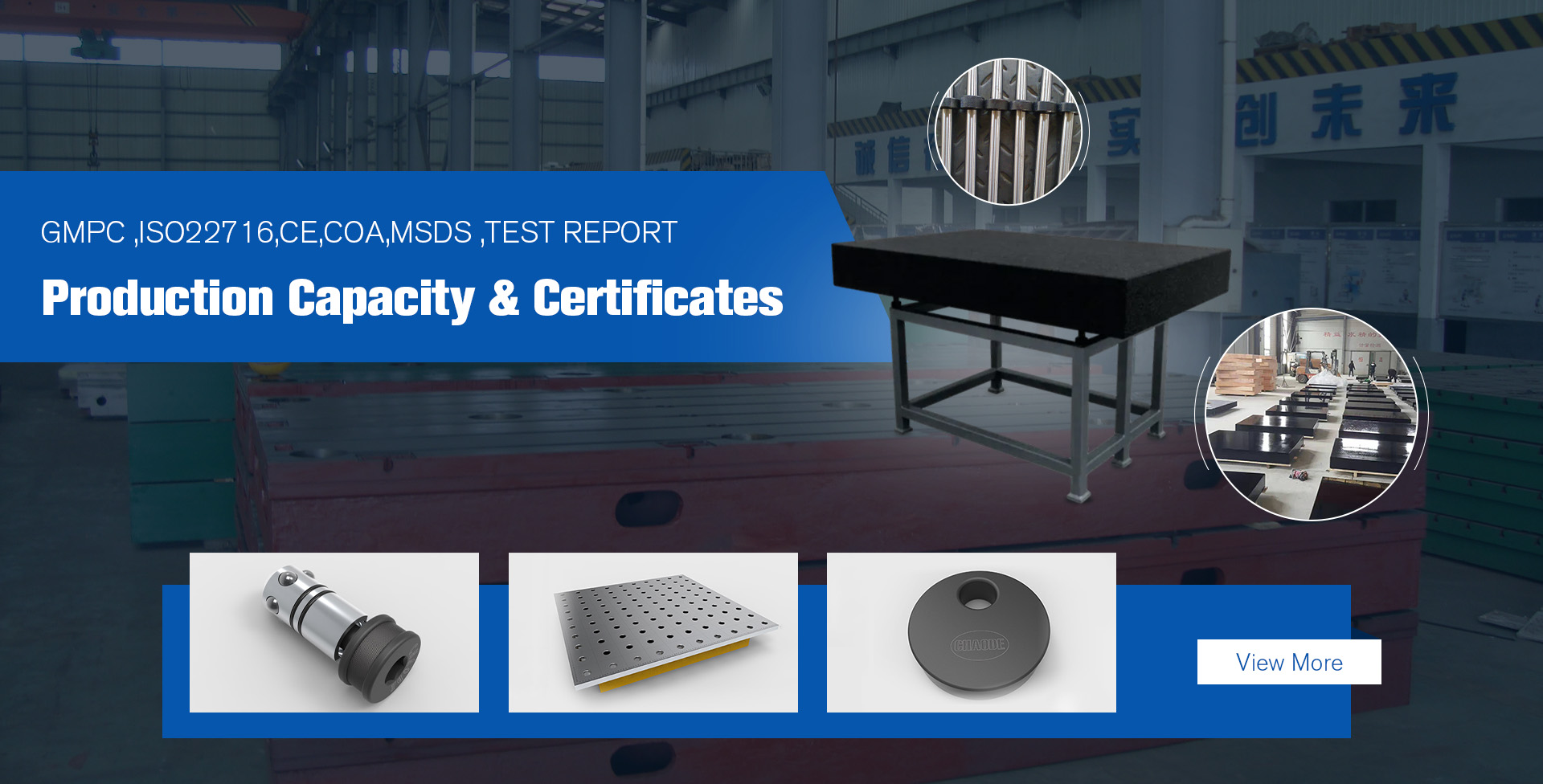
Versatile Clamps for 16mm Welding Tables to Enhance Your Metalworking Projects
Understanding 16mm Welding Table Clamps A Comprehensive Guide Welding is a fundamental process in me
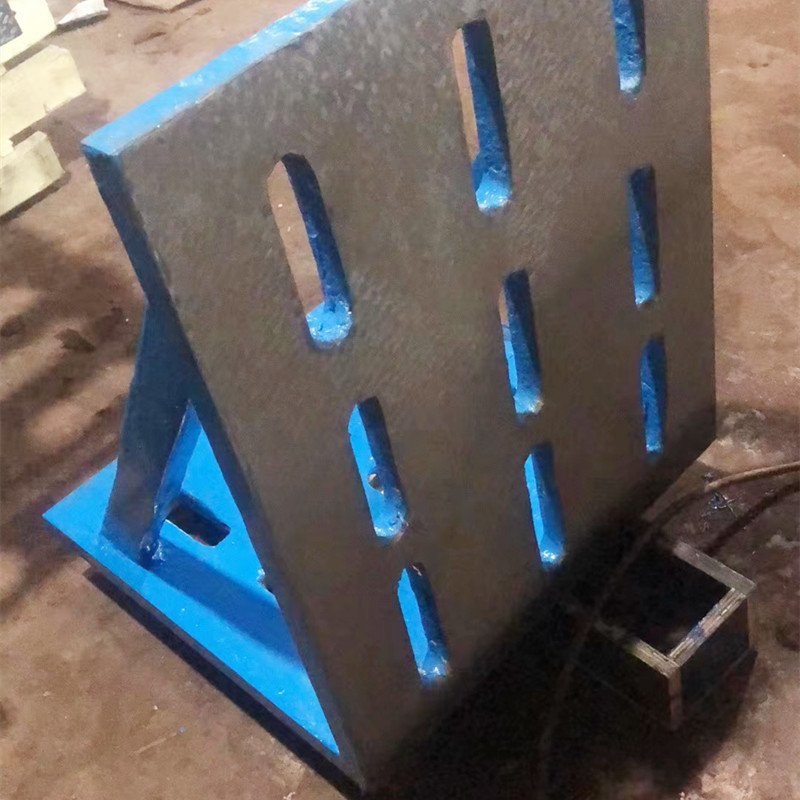
Versatile Welding Table for On-the-Go Fabrication and Efficient Workspace Solutions
The Versatility and Importance of Portable Welding Tables In the world of welding, precision and con
 English